"Dimitrie Gusti" National Village Museum
Back to all places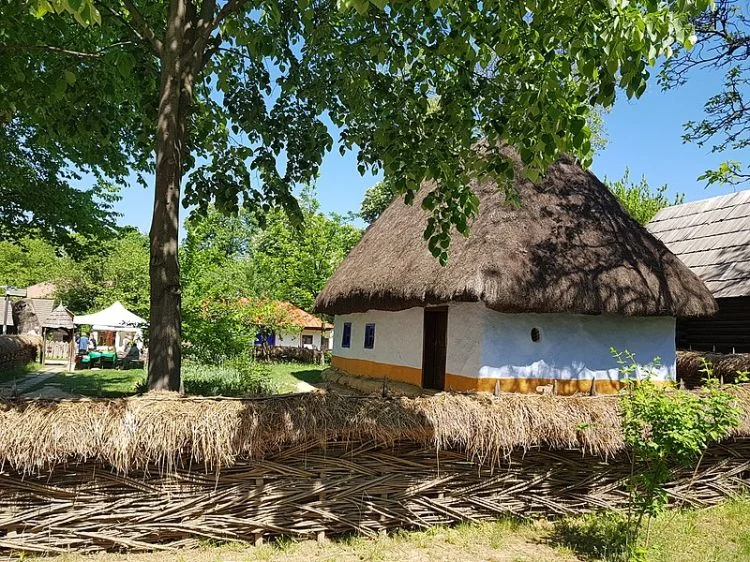
The Village Museum is considered one of the main tourist attractions in Bucharest, being praised mostly by foreign tourists traveling to Romania. Streching over an impressive area, the museum has the size of a true village and includes a lot of monuments and artifacts from the 17th century to the 20th century. Here you will find, in fact, houses and rural buildings representative of each ethnographic area of the country, including from Transylvania, Maramures, Oltenia, Moldova, Dobrogea, Muntenia and Banat.
Let’s go back to the past and see how this museum was born. In 1867, during the World’s Fair from Paris, Alexandru Odobescu, a man of culture, proposed the presentation of some monuments of popular architecture. After few years, in 1909, the scientist Alexandru Tzigara Samurcas exposed inside the Ethnographic, National Art, Decorative Art and Industrial Art Museum in Bucharest one peasant house from Gorj County. This approach would precede the permanent exhibitions of the authentic and complete households from all the most important regions inhabited by Romanians. The most important fact is that at that time there were only two open-air museums in the world: Skansen Museum in Stockholm, Sweden (1891) and Bygdoy Museum in Lillehamer, Norvegia.
https://visitbucharest.today/national-museum-of-the-village-dimitrie-gusti/
Photo: Leontin l
44.47236, 26.07659